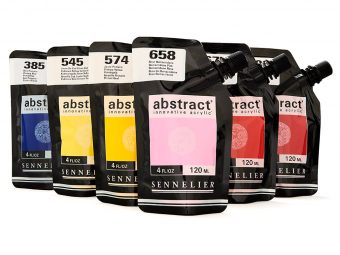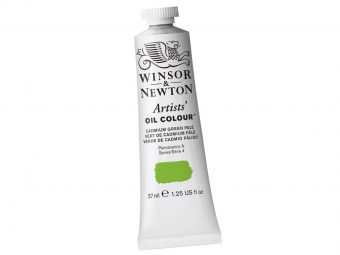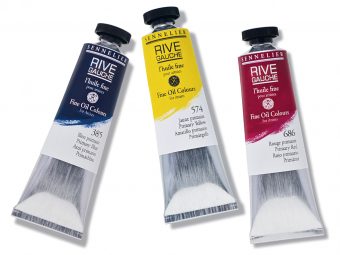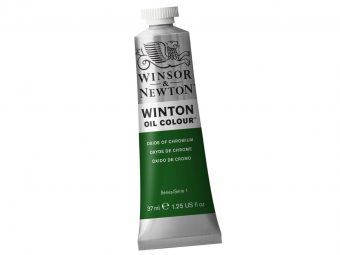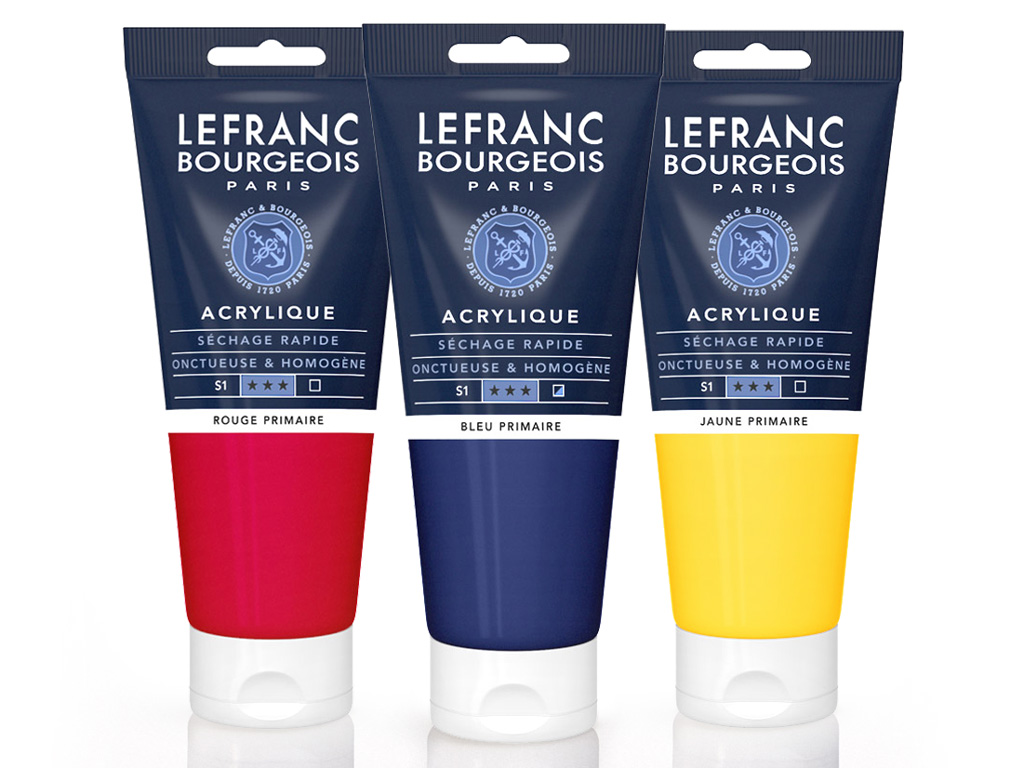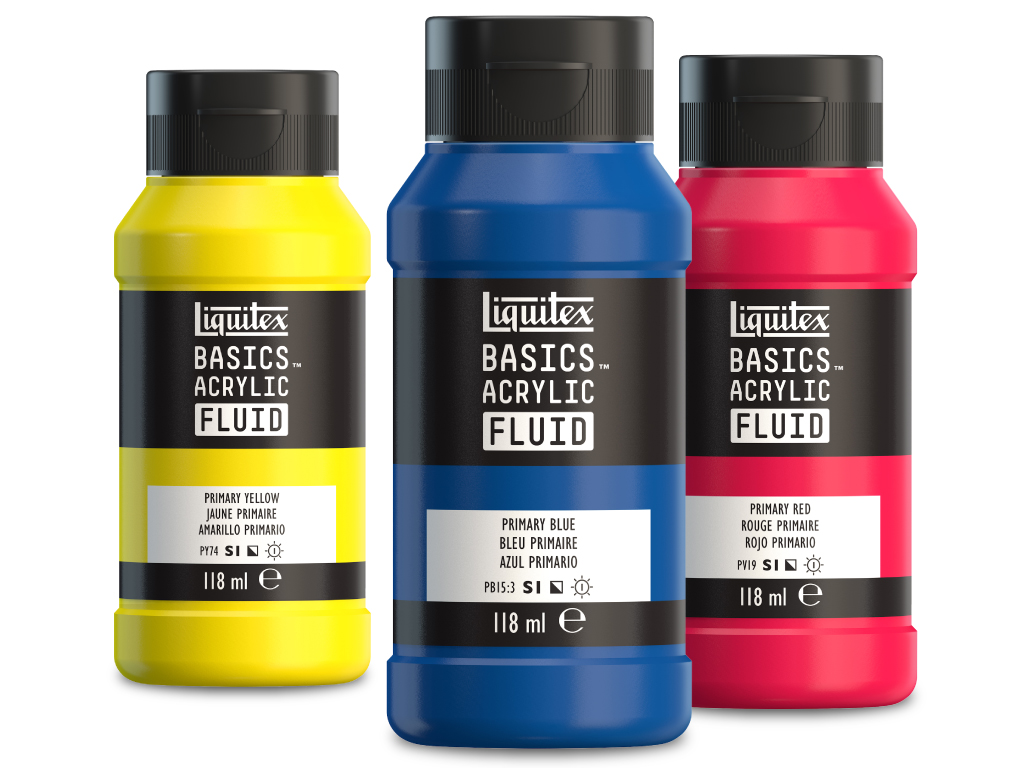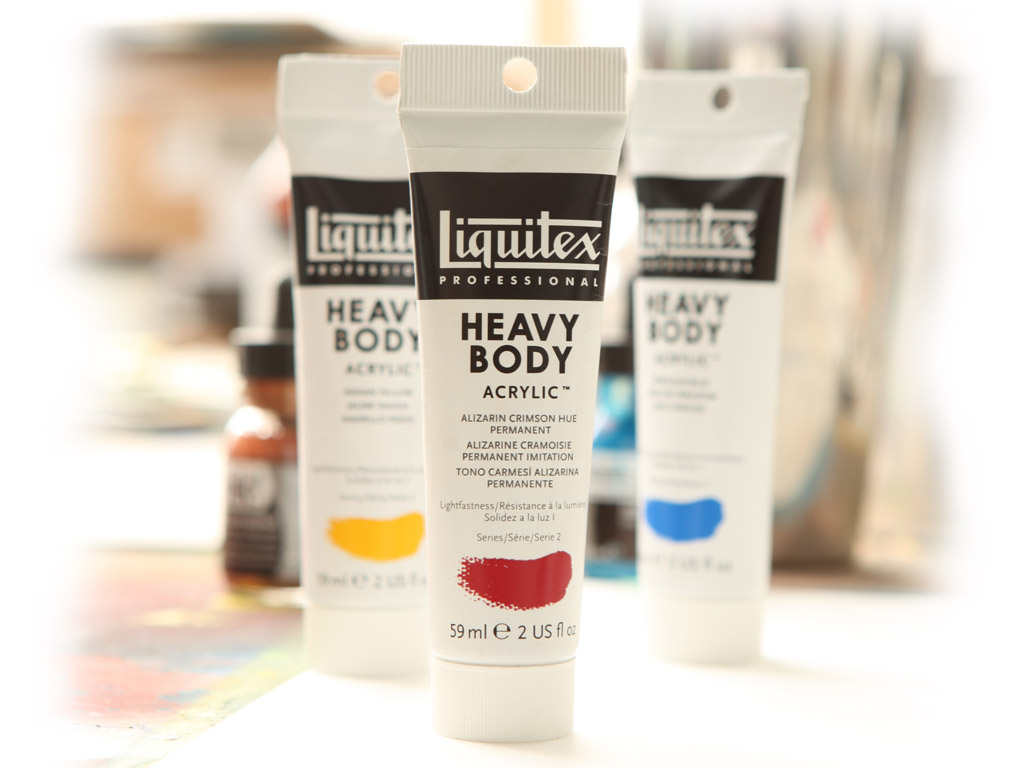

As a beginner, it may not be easy to assess which painting technique best suits your style and way of working. Acrylic and oil paints offer very different painting experiences and require slightly different skills and approaches. Let’s take a look at what this means in practice.
A Brief Look at History
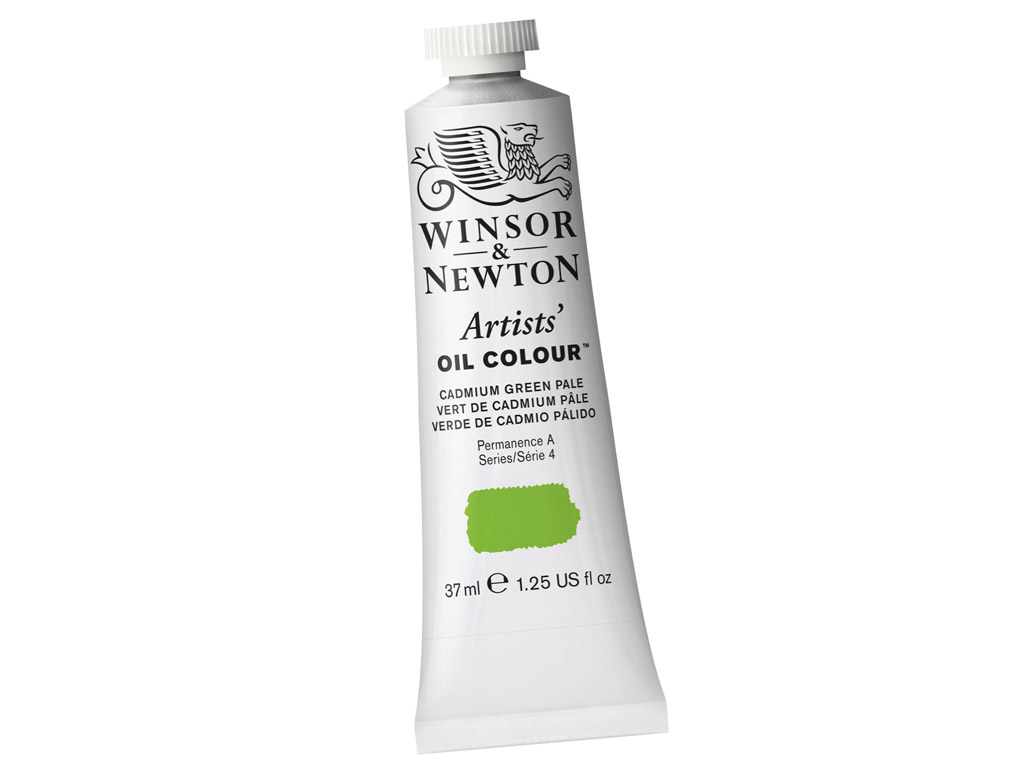
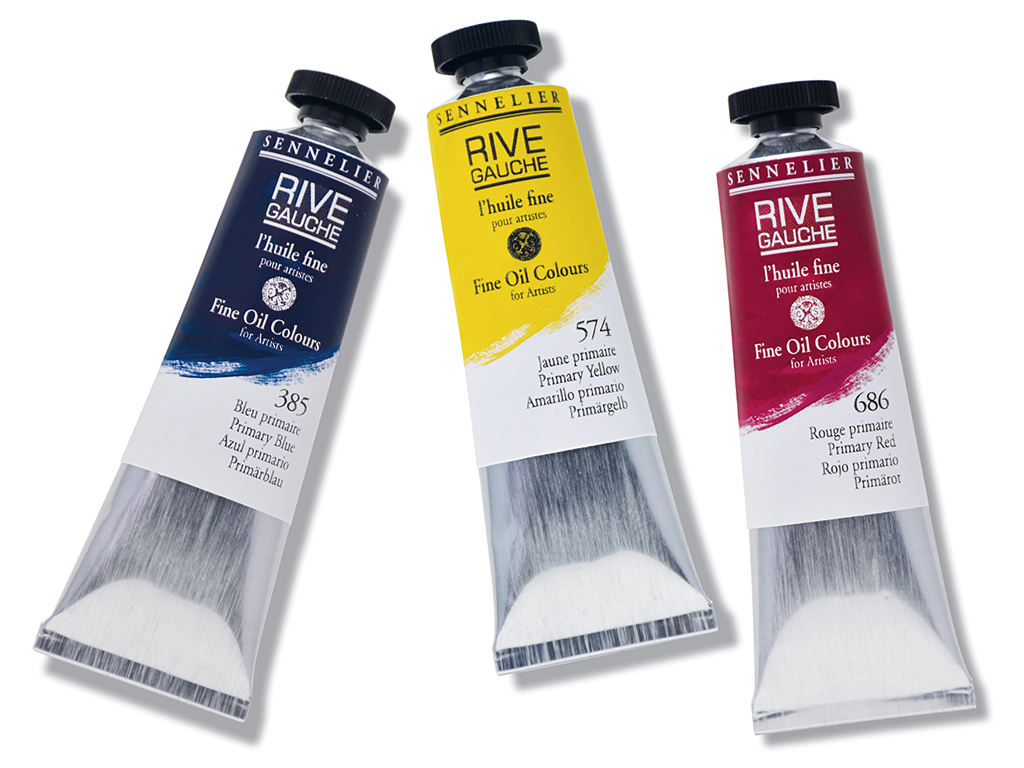
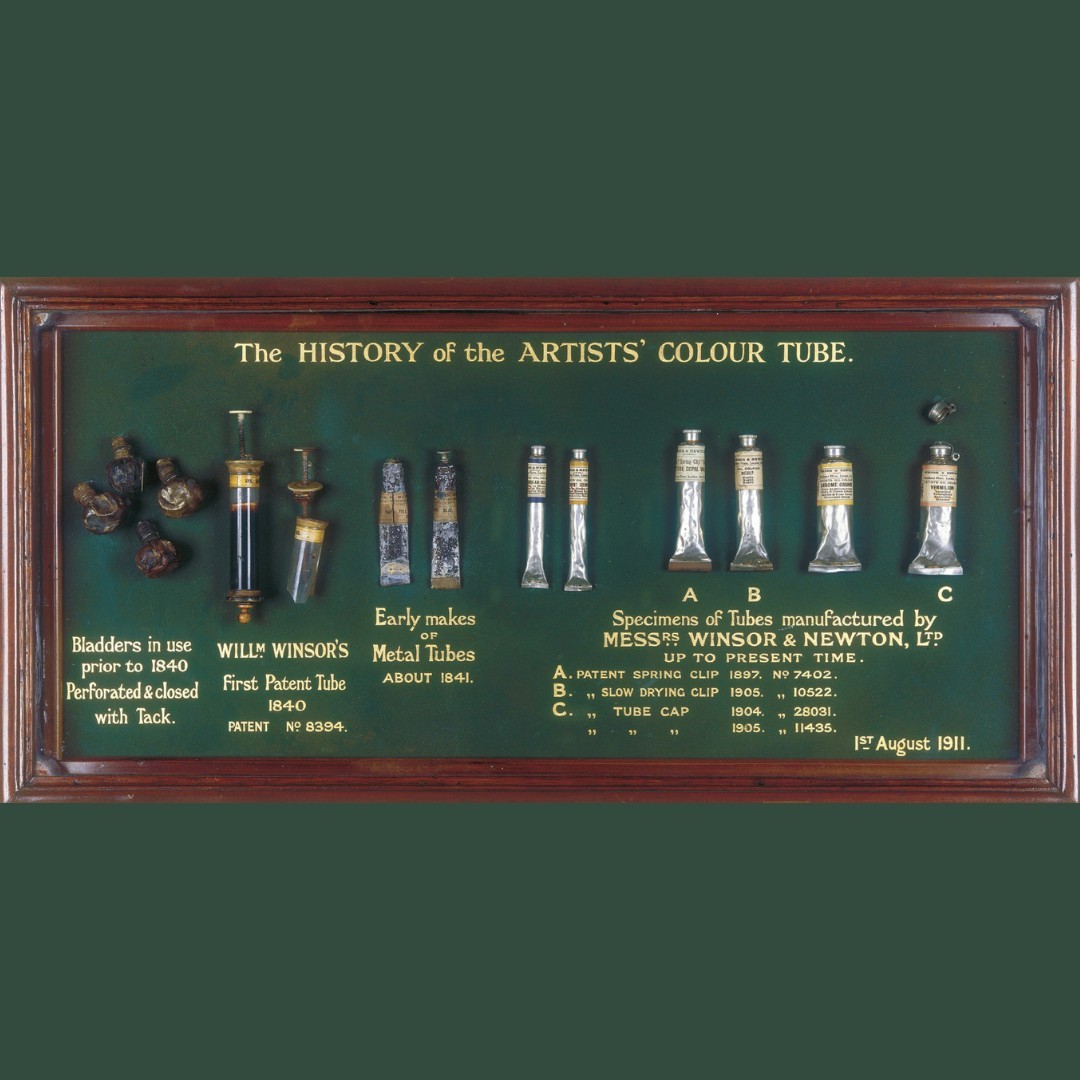
Oil paint is one of the oldest painting mediums. It was already used in the Middle Ages and became especially important during the Renaissance, when artists began to appreciate its deep tones, slow drying time and ability to be worked in multiple layers. Many of the most famous works in art history were created using oil paint.
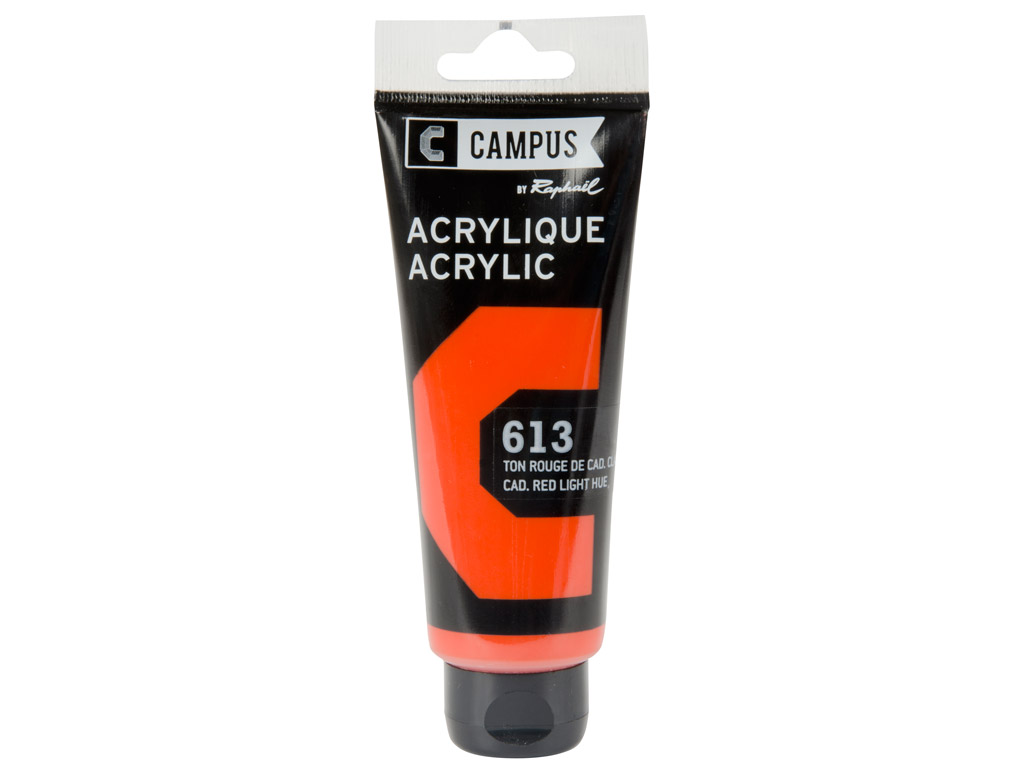
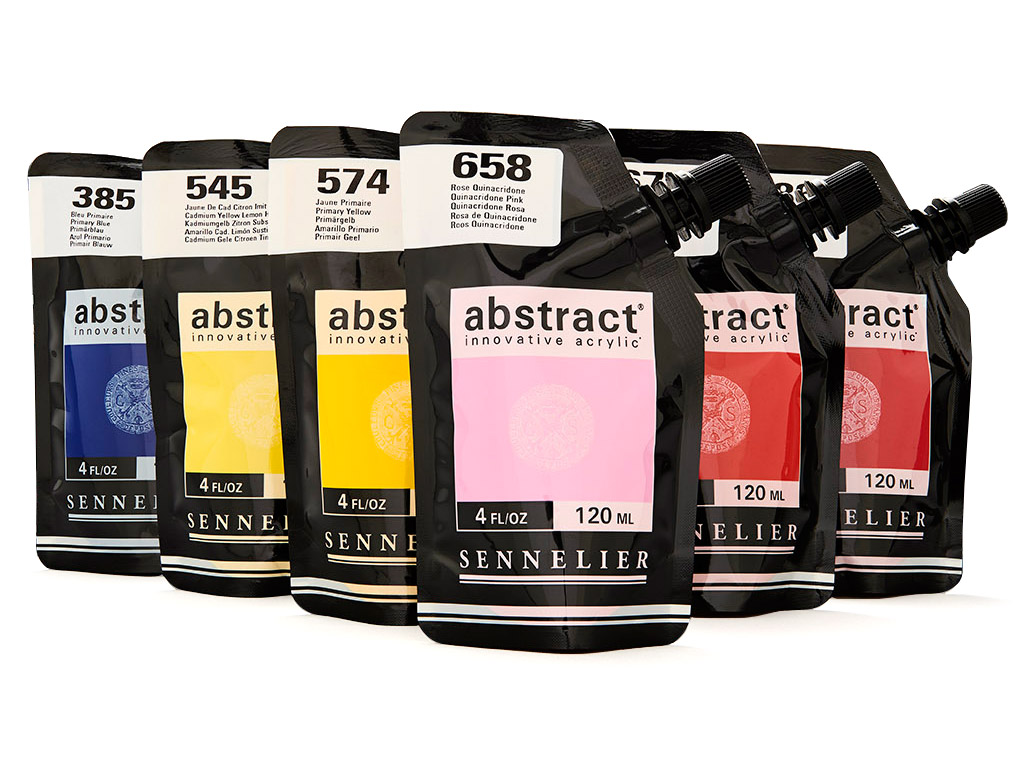
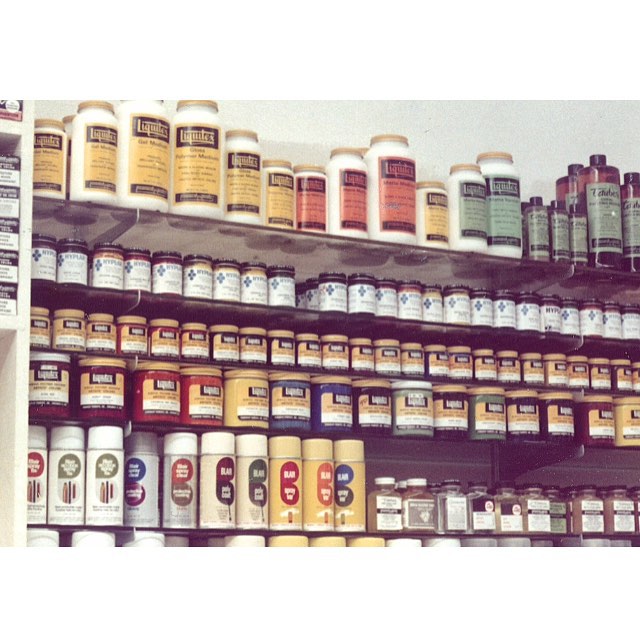
Acrylic paint is much more recent. It was developed in the mid-20th century and quickly gained popularity thanks to its practicality. Acrylic dries quickly, is durable and works well for artists who prefer a more contemporary and experimental approach.
Drying Time and Working Pace
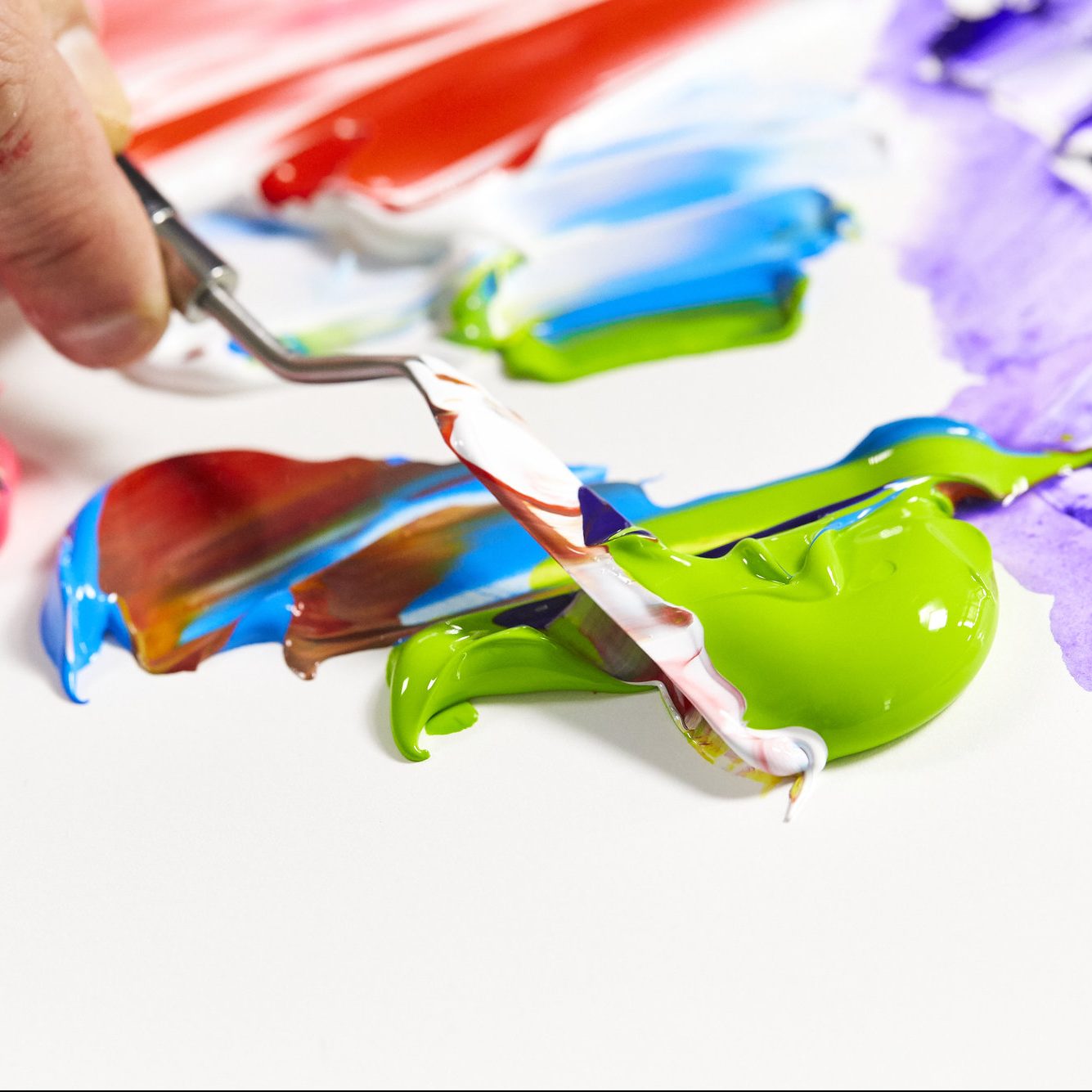
One of the biggest differences between acrylic and oil paint is drying time. Acrylic paint dries quickly, often within minutes. This allows you to work energetically and build layers fast, but it also means there is less time to blend colors while they are still wet.
Oil paint dries slowly. It can take days or even weeks to fully dry. This gives the artist more time to mix tones, create smooth transitions and refine details. For beginners, this can offer more flexibility, but it also requires patience.
Mediums and Modifying Paint Properties
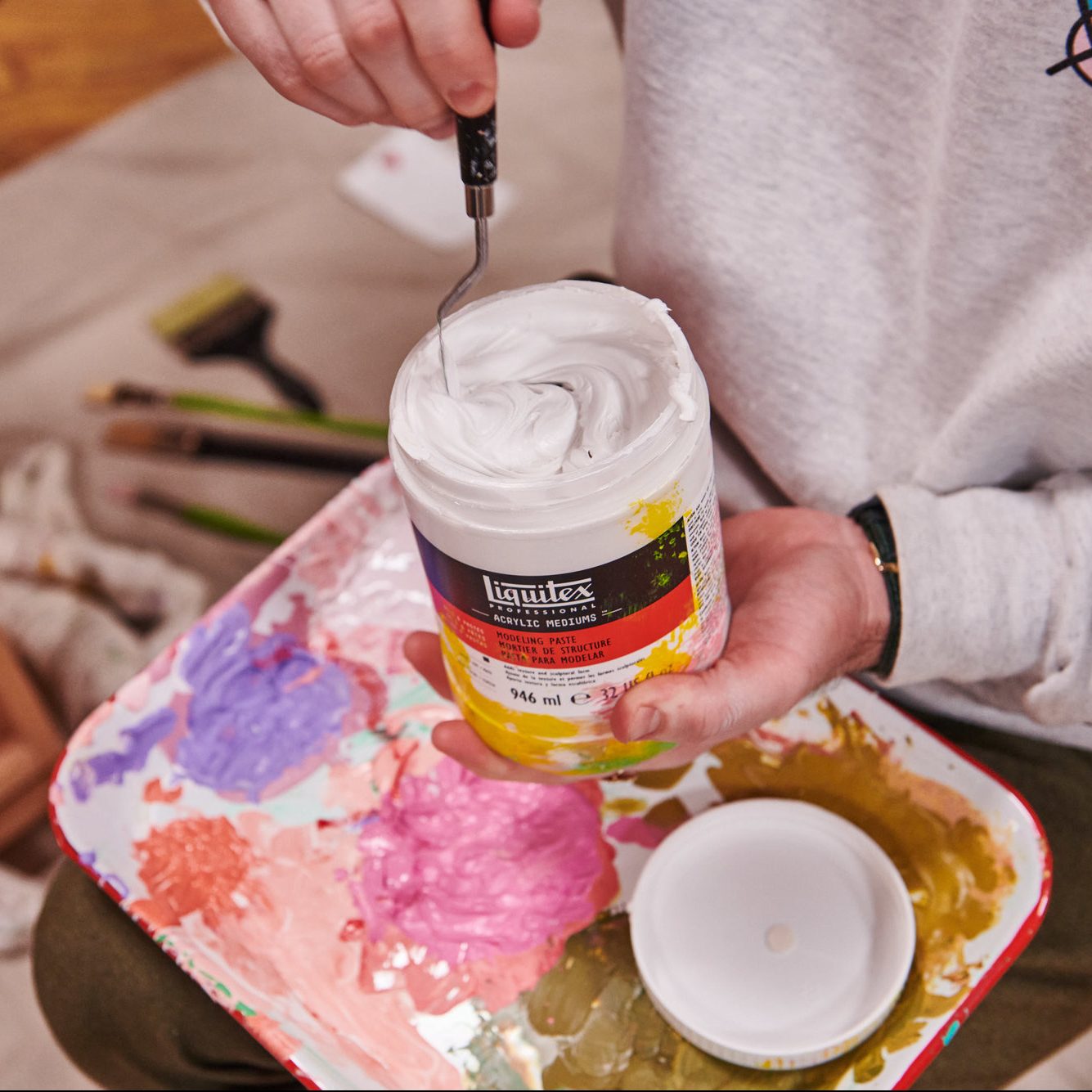
Both acrylic and oil paints can be used with mediums to alter their properties. Mediums help regulate drying time, texture, sheen and transparency.
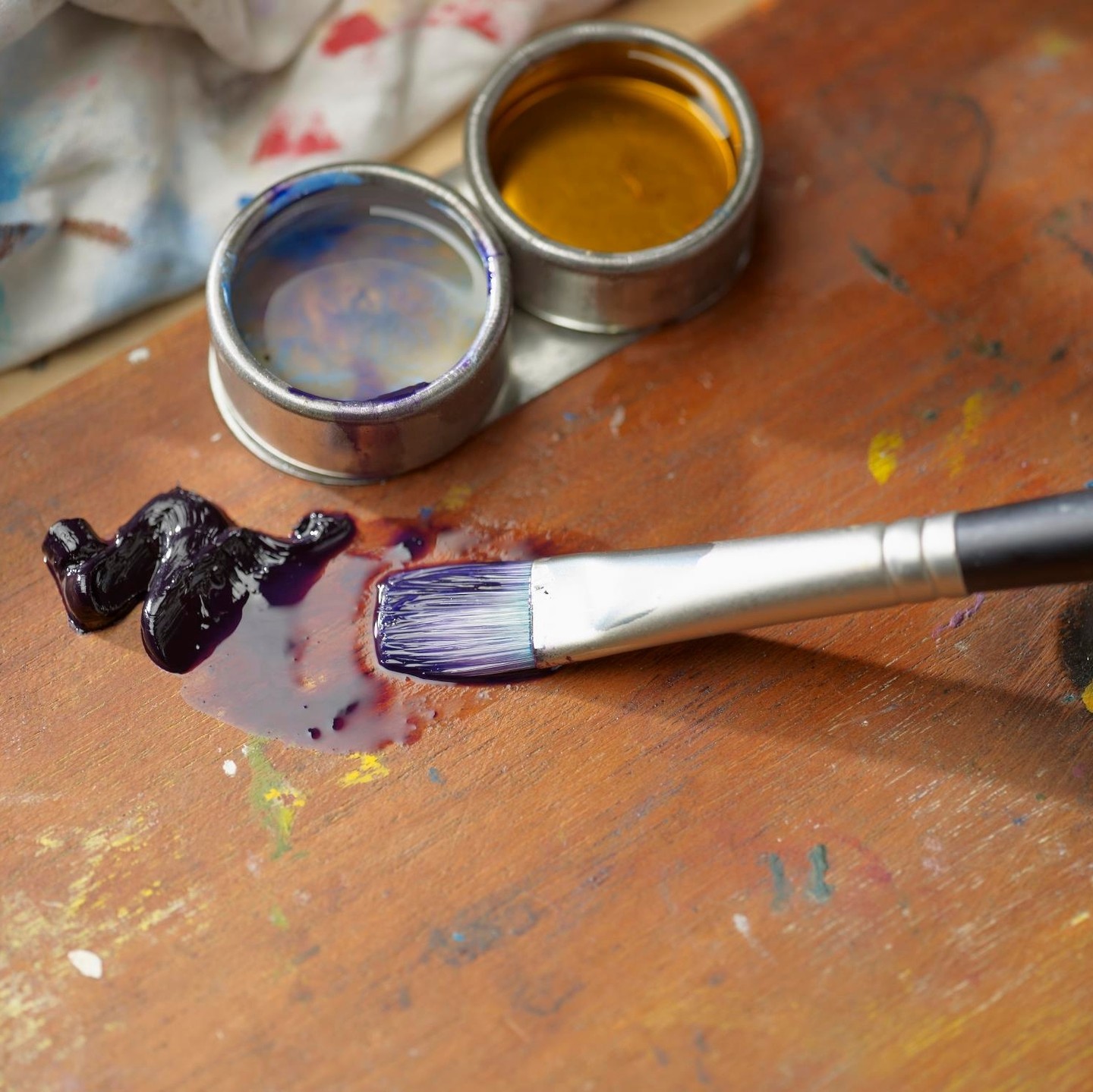
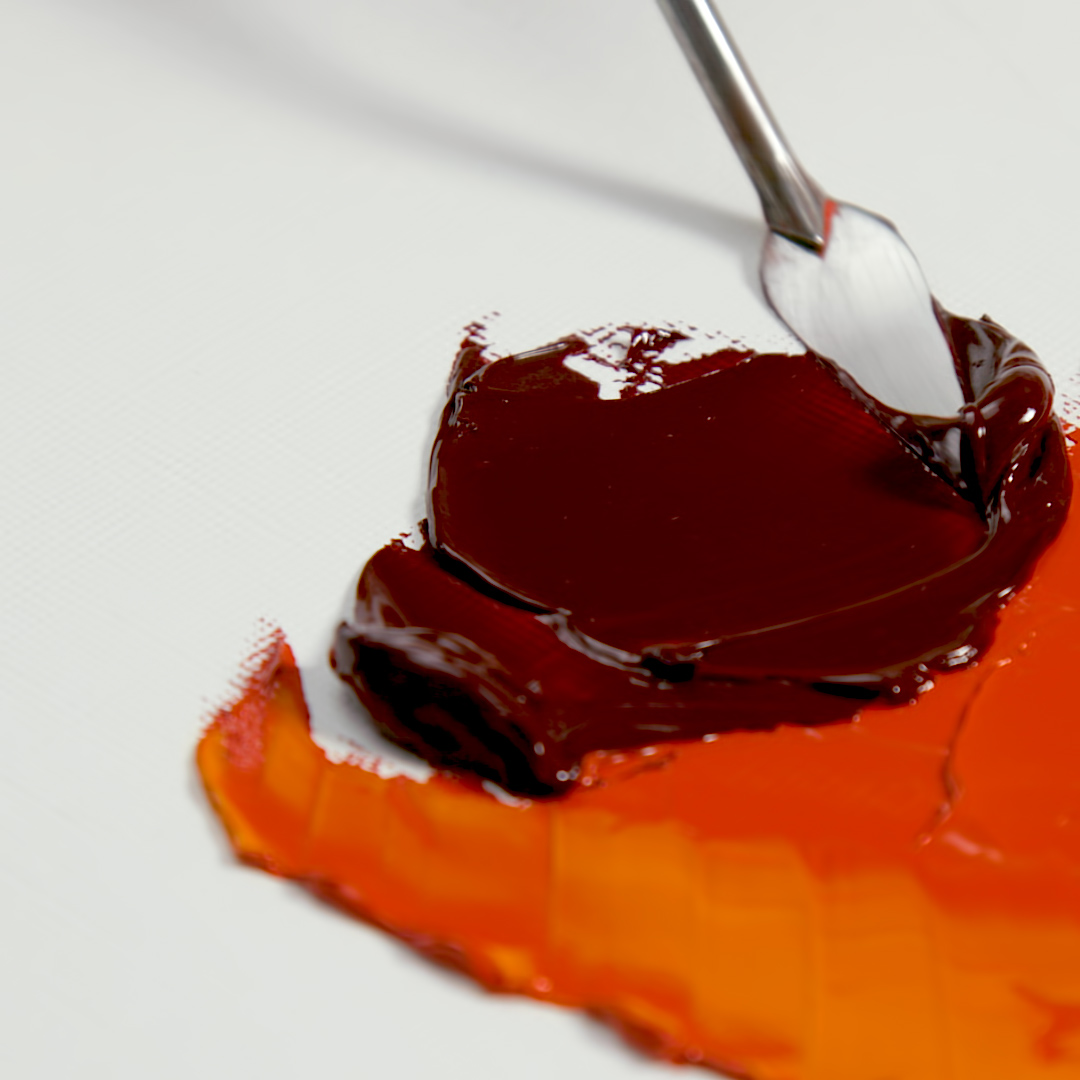
With oil paint, various oils and mediums are used, each serving a specific purpose. Common examples include linseed oil and poppy oil, which influence the paint’s flow, transparency, drying speed and final surface appearance. Some oils dry faster, others more slowly, and the choice depends on the pigment used as well as the artist’s working method. In addition to traditional oils, there are also synthetic mediums that allow for more precise control over drying and surface characteristics.
Acrylic mediums are water-based and highly versatile. They can make paint thicker or more fluid, slow down drying time, add texture or change the surface to a matte or glossy finish. This flexibility allows acrylic paint to imitate effects similar to watercolor or oil painting techniques.
Brushes and Tools
Brush selection depends on both the type of paint and the desired result. Acrylic painting often uses synthetic brushes, which tolerate water and fast-drying paint well. They are durable and easy to clean.
Oil painting can be done with both natural bristle and high-quality synthetic brushes. Oil paint is thicker and heavier than acrylic, so brushes need more stiffness and strength to control the paint and maintain texture. Unlike acrylic paint, oil paint cannot be cleaned from brushes with water alone. Special cleaning agents or solvents are needed to remove paint from the bristles and keep brushes in good working condition.
Regardless of whether you paint with acrylic or oil, regular brush care is essential. A brush cleaning soap is a universal tool suitable for both acrylic and oil brushes. It helps remove paint residue and keeps brushes in good condition for longer use.
Surfaces and Preparation
Both acrylic and oil paint can be used on various painting surfaces, but there are important differences to consider.
Acrylic paint is flexible and adheres well to many surfaces. It can be used on canvas, paper, cardboard and wood, and generally does not require special preparation. Many surfaces designed for acrylic painting are ready to use, making acrylic a convenient choice for experimentation and quick starts.
Oil paint is more demanding when it comes to surfaces. It should not be applied directly to raw paper or unprepared canvas, as the oil can soak into the material and cause long-term damage. Oil painting requires properly primed canvases or surfaces specifically prepared for oil paint. In addition to canvas, there are also canvas-textured papers designed specifically for oil painting that prevent the oil from being absorbed into the surface.
This difference can be decisive for beginners. Acrylic allows you to start immediately, while oil paint requires more careful surface selection.
Which Is Better for Beginners?
Acrylic paint is often the easier introduction to painting. It dries quickly, is versatile and works well in home environments. Oil paint offers more time and depth, but requires slightly more preparation and patience.
In the end, neither paint is better than the other. They are simply different tools that offer different creative experiences. Many artists use both throughout their lives and allow the material itself to guide them.